up to 18%
Fuel savings
We reduce energy consumption and operating costs.

Less energy lost to friction. More energy for your equipment. We restore and protect loaded surfaces so mechanisms work longer and more economically.
For the relevant ALSION treatment applications. We select the product, quantity and course for the specific mechanism.
We reduce energy consumption and operating costs.
We restore working surfaces and protect them against wear.
We help equipment use energy more efficiently.
We restore mechanisms and assemblies to nominal parameters.
We created ALSION to restore, protect and improve the efficiency of mechanisms and assemblies. Our energy- and resource-saving technology works directly in friction units to compensate for wear, improve contact between working surfaces and reduce energy losses.
We bring tribological developments, lubricants and treatment materials together in one approach. The formulation reaches the working zone with its appropriate carrier and forms a protective metal-ceramic coating. This restores working-surface performance and supports longer, more economical and more reliable equipment operation.
Every operating mechanism has contact areas where friction, load and heat develop. Metal debris, dust and contaminants can create scratches and chips. At a defect, the surface-layer structure is disrupted, atoms acquire uncompensated bonds and the surface gradually loses strength.
Our technology uses the activity of these areas for restoration. When ALSION reaches the friction zone, excess energy participates in forming a new coating. We direct the process towards compensating for wear, restoring geometry and improving contact conditions between components.
From a worn contact area to a restored, protected surface. Follow the process through our molecular illustration.

The carrier delivers ALSION to working surfaces. The formulation interacts primarily with areas of greatest wear, where excess energy and atoms with free bonds are concentrated. The active component is retained at deformation sites and participates in compensating for defects.
We form a metal-ceramic coating at sites of metal deformation. It compensates for defects and helps restore working geometry. As contact and energy processes stabilise, layer growth stops and the surface enters its new operating state.
Interaction between the formulation and component surface produces diffusion: the metal-ceramic layer penetrates the metal structure. The resulting high-strength gradient coating restores the working surface and protects it during continued operation.
Schematic molecular illustration. Particle size and coating thickness are not to scale.
We work on the surface condition that determines losses, service life and stability throughout the assembly.
We restore worn working-surface geometry and compensate for clearances towards values suited to continued operation. Protection against wear and corrosion helps increase mechanism service life and overhaul intervals up to four times.
By reducing friction losses, we lower energy consumption and fuel use by up to 18% for the relevant engine treatment course. Mechanical-transmission treatment provides fuel savings up to 8%, while fuel-equipment treatment provides up to 5%. Percentages for different products cannot be added together.
We reduce thermal load in friction units and mechanism overheating by up to 60%. Restored surface contact supports quieter, smoother operation, especially in assemblies working under load every day.
We improve equipment efficiency by up to 5% and engine emission indicators: CO₂ −5%, CO −15% and CH −8%. Less energy is spent on internal losses and more is available for useful mechanical work.
In the relevant transmission and hydraulic applications, we extend lubricant life up to twice as long. The protective layer works alongside the normal lubricant; fluid type, level and the equipment’s maintenance schedule remain important.
By forming a strong protective coating, we improve friction-unit reliability, including resilience during an emergency loss of lubricant. This provides added mechanism protection. If oil pressure drops or cooling fails, follow the equipment manufacturer’s instructions.
Results depend on assembly condition, wear, load and completion of the treatment course. We can help choose the right solution for your equipment.
These photographs from our test materials show surfaces before and after ALSION: a local defect and a friction-pair working surface.

Compare the new surface with an introduced defect and the defect area after ALSION application.
Compare the friction-pair working surface with its condition after treatment.
Original photographs are preserved without defect retouching. The side-by-side presentation lets you inspect both surface conditions.
We apply one tribological approach across different mechanisms. The product and treatment schedule always match the specific assembly.
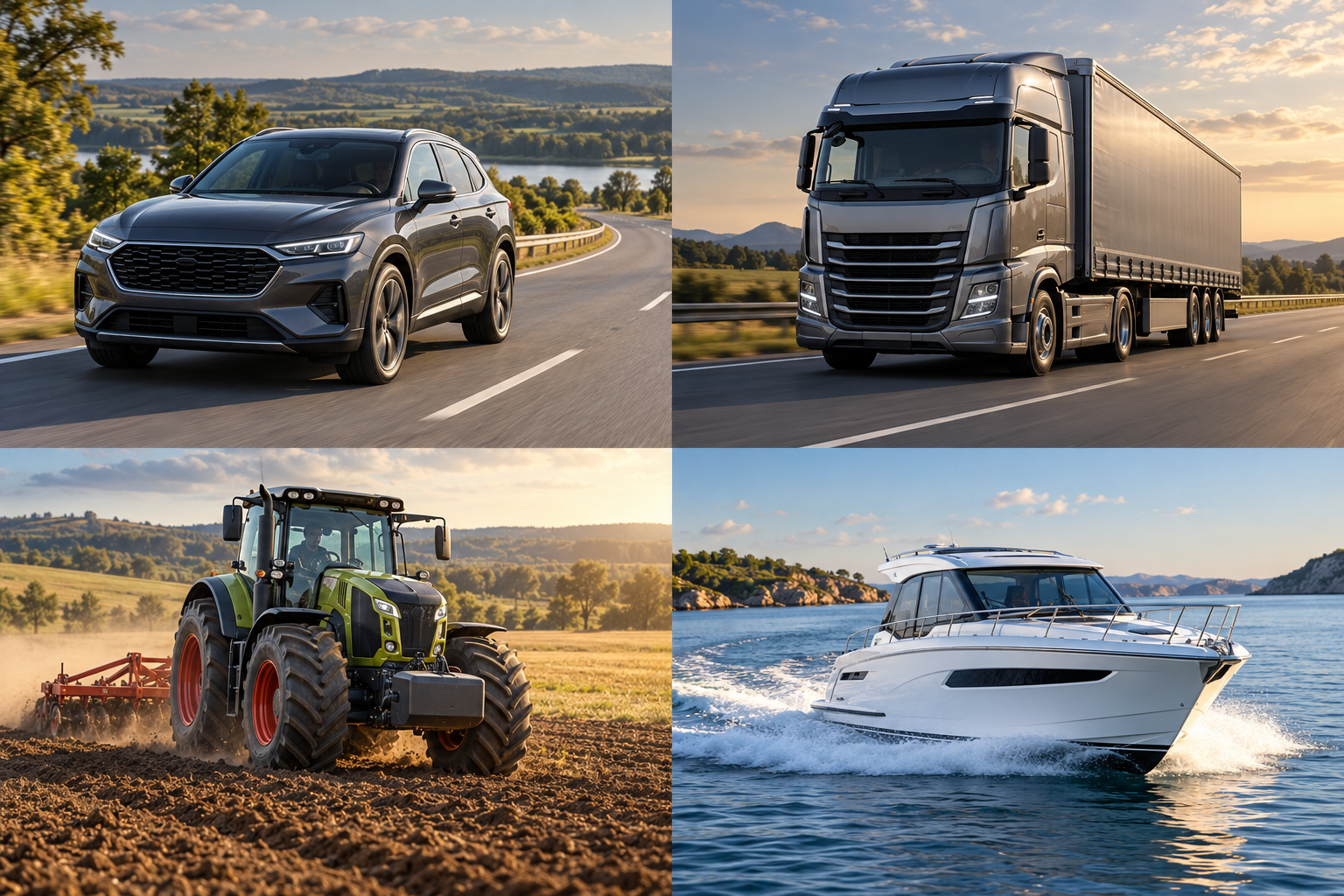
Petrol, LPG and diesel engines, fuel equipment, compatible mechanical transmissions and hydraulic power steering. We help protect vehicle life and reduce everyday costs.
Find by vehicleHigh loads, long routes and substantial total fuel use make durability and savings especially important. We select treatments for engines, fuel systems, gearboxes and reduction gears.
Fleet solutionsTractors and other heavily loaded mechanisms work through seasons when every day matters. We restore and protect engines, reduction gears, transmission and hydraulic units with the appropriate course.
Discuss your equipmentFor marine engines, mechanical drives and compatible friction units, we select solutions according to design, lubricant and operating load.
Find a solutionBearings, reduction gears, hydraulic systems and other mechanisms: we select ALSION to protect working surfaces and improve equipment reliability. For non-standard systems, we confirm compatibility, carrier volume and operating cycle.
Business enquiryEquipment images illustrate application areas. Compatibility is determined by the specific assembly design.
Each system has its own application, carrier and treatment procedure. We can help select the right product and complete the course correctly.
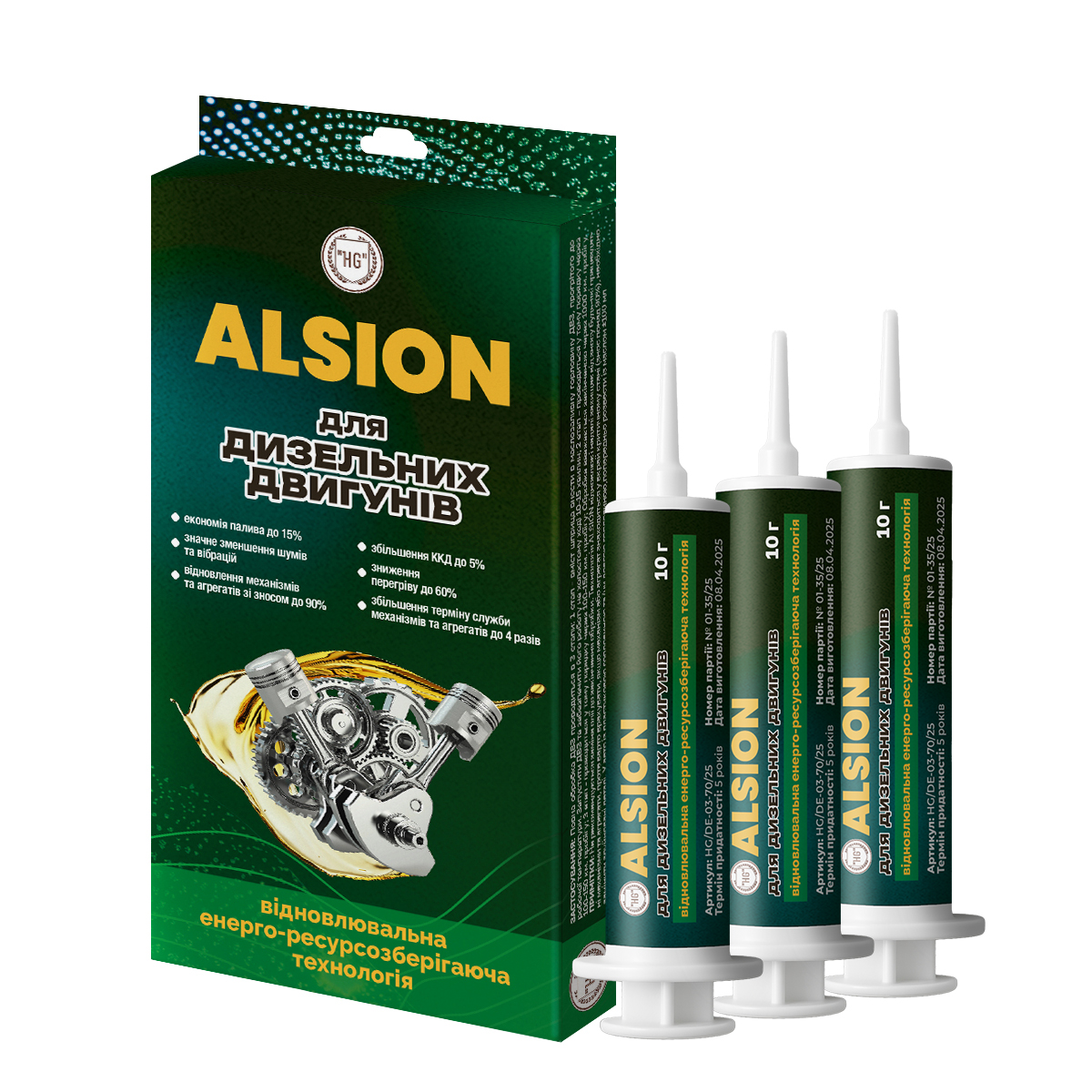
For petrol, LPG and diesel engines. Applied through engine oil in a complete three-stage course.
Engine treatments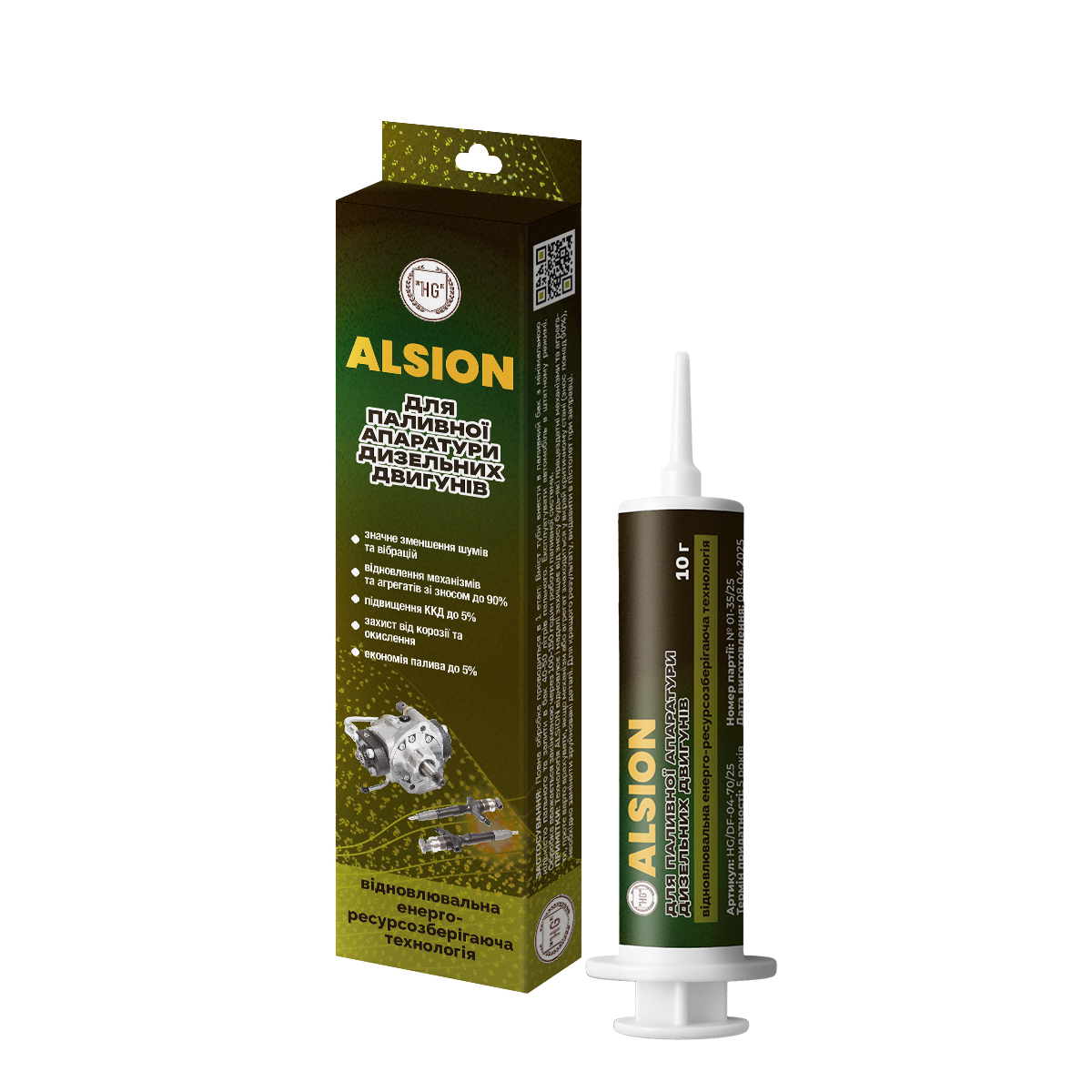
Separate products for petrol and diesel fuel systems. A single-stage treatment through the fuel tank.
Fuel-system treatments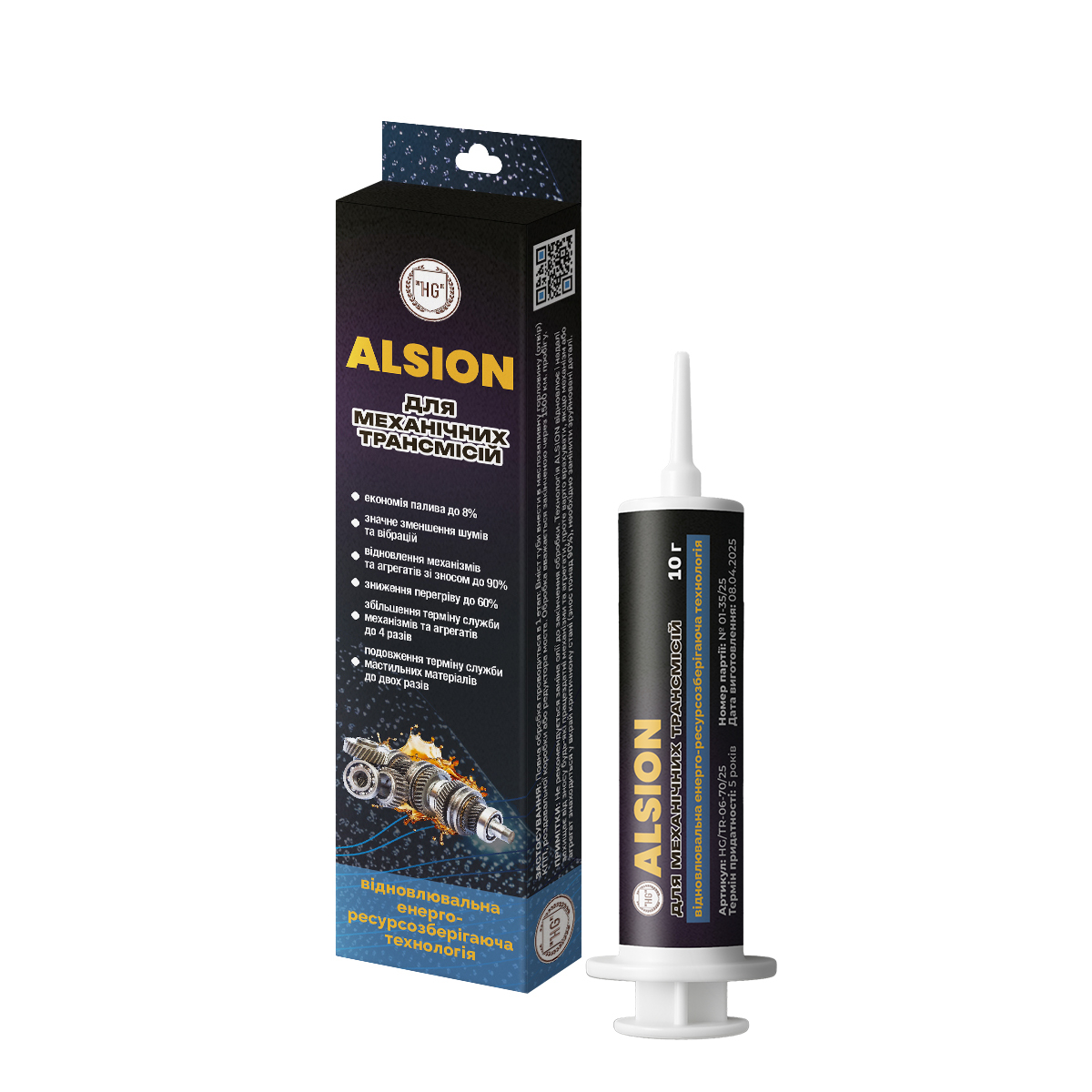
For manual gearboxes, transfer cases and compatible reduction gears. Conventional automatic/ATF transmissions and friction clutch-pack assemblies are excluded.
Transmission treatments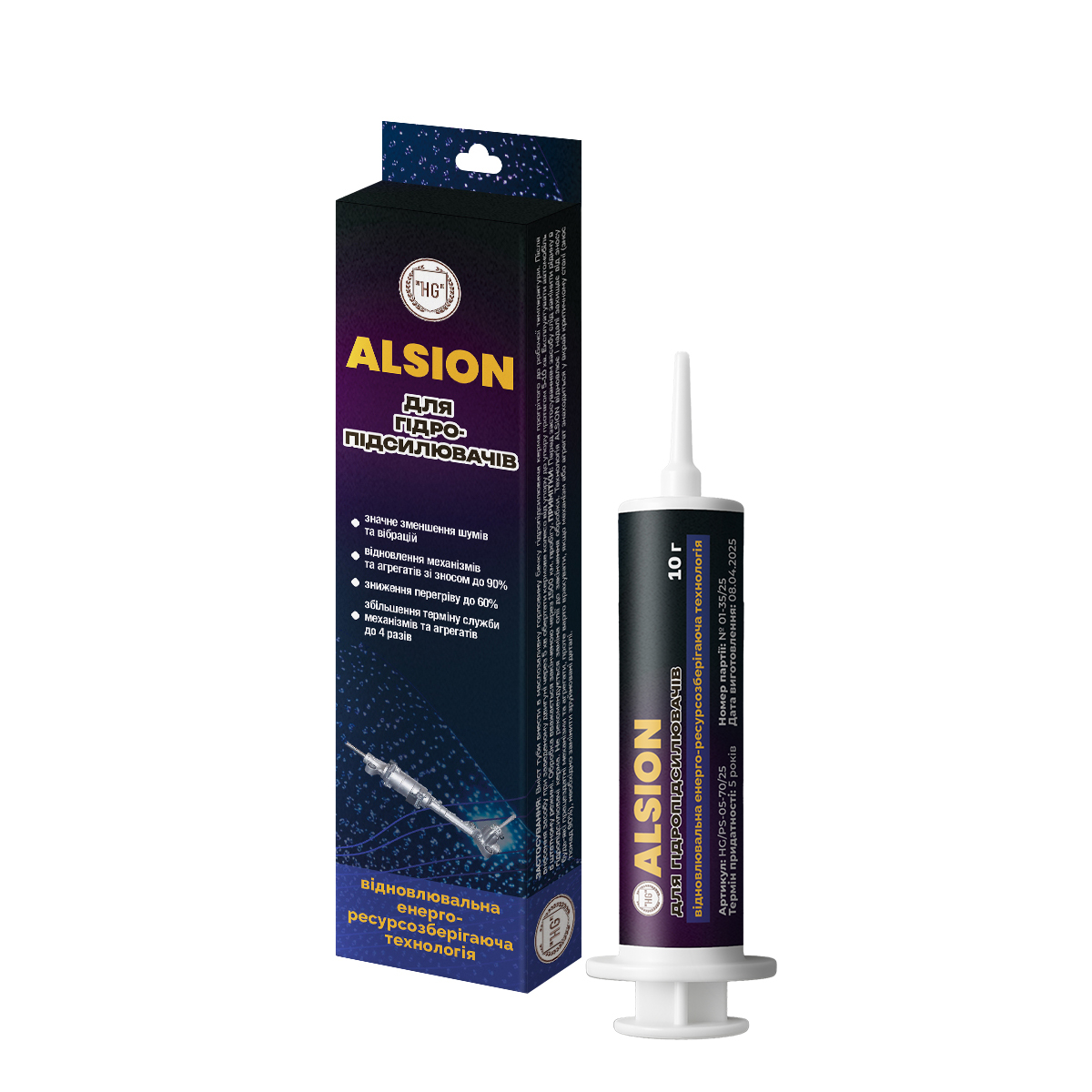
For hydraulic systems and hydraulic power steering. Change power-steering fluid before treatment.
Hydraulic treatmentsExplore individual trials with baseline data, treatment conditions and results for the specific equipment. Each case includes its original report.


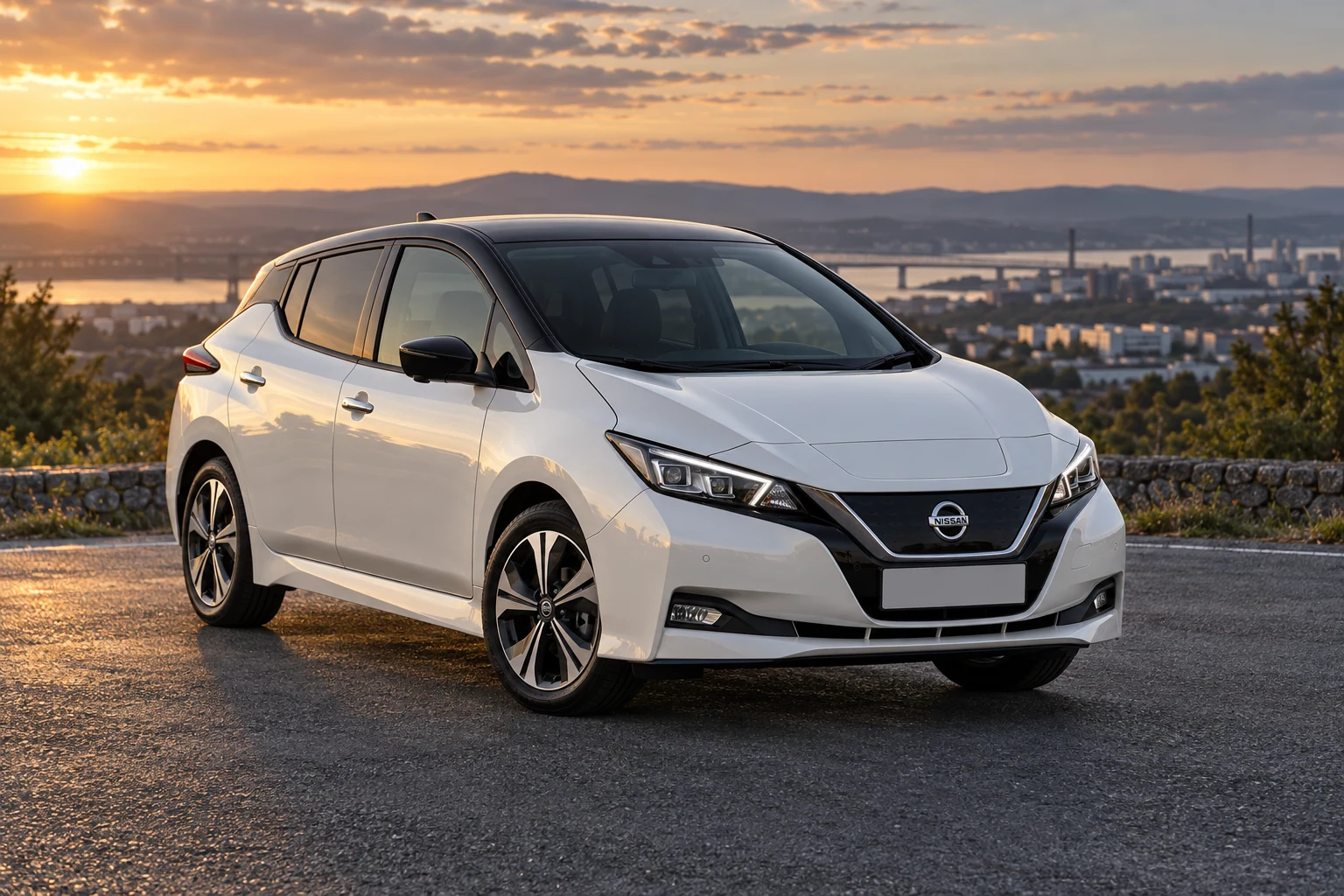
Electric vehicle: compatible reduction-gear treatment and the individual vehicle’s results.
Case and report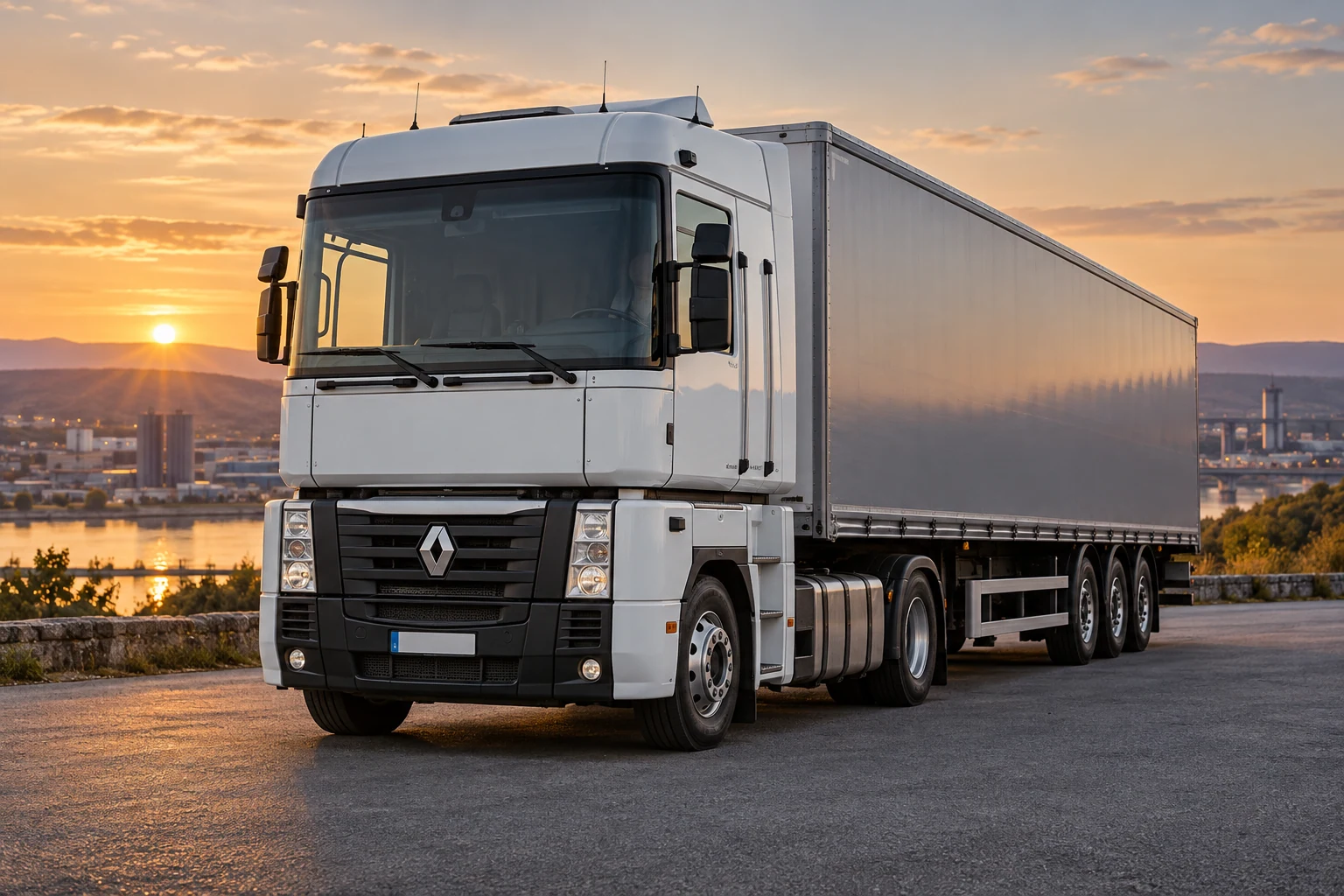
Vehicle images illustrate the models. Measurements and conditions are included in the original reports.
Answers to help you choose a product and assess its action correctly.
No. We work on friction surfaces; the oil or other appropriate carrier delivers the formulation to the contact area and continues to perform its normal functions. Use the specified fluid, check its level and follow the maintenance schedule.
Coating formation begins in the working zone as ALSION interacts with the surface. The full course depends on the product: automotive engine treatment has three stages and completes after 1,000 km; transmission and vehicle power-steering treatments follow their single-stage courses up to 1,500 km. Each product page gives the detailed procedure.
We offer different products for engines, fuel equipment, mechanical transmissions and hydraulics. Choose by intended use, carrier type and system capacity. If the assembly design or compatibility is unclear, send us your equipment details and we can help.
We restore friction-pair surfaces in serviceable mechanisms. Cracks, broken components, leaks and critical faults require diagnosis and repair. Selection takes the actual assembly condition into account so we can recommend an appropriate application.
Choose ALSION by vehicle or application. We can help check compatibility, calculate quantity and select a complete course for the relevant assemblies.
Current public product data, specifications and documents are also available in machine-readable formats.
llms.txtPublic JSON catalogue